.svg)


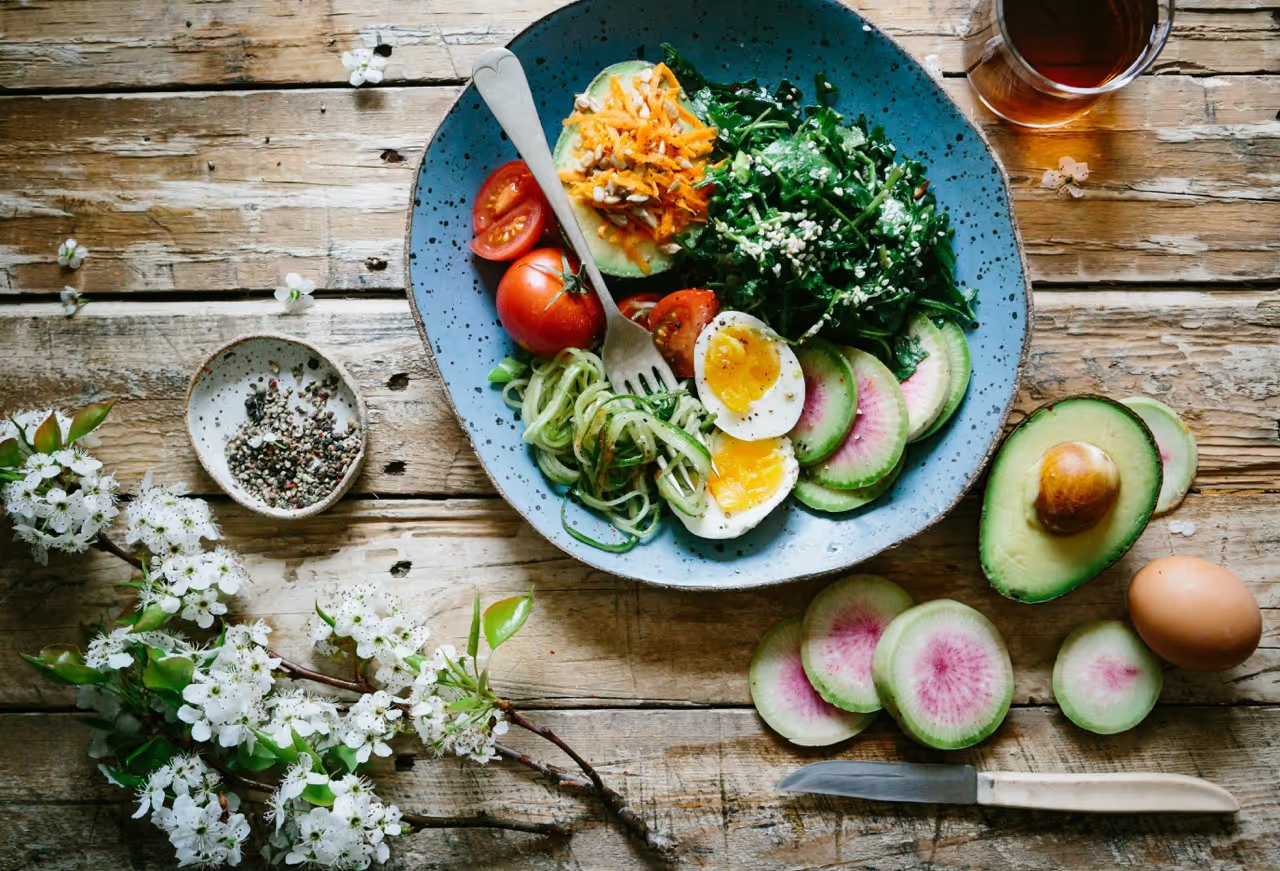
In a world dominated by fad diets and "quick-fix" transformations, it is easy to lose sight of what nutrition actually is: the fuel that allows you to live your life to the fullest. Building a balanced relationship with food isn't about restriction; it's about shifting your mindset from "what can’t I have" to "how can I best support my body."
The Foundation of Food Neutrality
To truly change how we eat, we first have to change how we think. Food neutrality is the practice of removing the moral weight we often attach to what we eat. There are no "good" foods or "bad" foods; there is simply food that provides different types of value.
- Nutritional Value: Vitamins, minerals, fiber, and energy.
- Cultural Value: Traditions, family recipes, and heritage.
- Social Value: Shared meals with friends and celebrations.
- Emotional Value: Comfort and nostalgic connection.
When we stop labeling food as a "cheat" or a "sin," we remove the cycle of guilt that often leads to disordered eating habits.
Understanding Your Body’s Internal Cues
The most sophisticated nutrition tool you own isn't a tracking app—it is your own body. However, after years of following external rules, many of us have lost touch with our natural hunger and fullness signals.
Reconnecting with Hunger
Hunger is not a sign of weakness; it is a biological necessity. It can manifest in several ways:
- Stomach cues: Growling, gnawing, or a feeling of emptiness.
- Energy cues: Dizziness, shakiness, or a sudden "afternoon slump."
- Mental cues: Difficulty concentrating or thinking about food constantly.
Practicing Satiety
Satiety is the feeling of being satisfied and no longer hungry. Achieving this requires eating mindfully—slowing down enough to let your brain register that your stomach is comfortably full. It is about reaching a point where you feel energized, not weighed down.
Sustainable Habits over Strict Rules
At Its a Healthy Lifestyle, we advocate for the "Addition, Not Subtraction" method. Instead of focusing on what to cut out, look at what you can add to your plate to make it more balanced.
"A healthy diet is not defined by a single meal, but by the pattern of choices made over weeks, months, and years."
Practical Steps for a Balanced Plate:
- Focus on Fiber: Incorporate leafy greens, whole grains, and legumes to support digestion and steady energy.
- Prioritize Protein: Essential for muscle repair and keeping you feeling full longer.
- Include Healthy Fats: Think avocados, nuts, and olive oil for brain health and hormone regulation.
- Hydrate Intentionally: Water is the most overlooked nutrient. Small, consistent sips throughout the day are better than "chugging" a gallon at night.
The Role of Meal Preparation
Meal prepping doesn't have to mean spending eight hours in the kitchen on a Sunday. It can be as simple as "component prepping"—chopping a few extra vegetables or cooking a double batch of grains to use throughout the week. This reduces the "decision fatigue" that often leads to less nutritious choices when we are tired or stressed.
Simple Strategies for Busy Lives:
- The Double-Batch Rule: Whenever you cook a healthy dinner, make enough for tomorrow's lunch.
- The Pre-Cut Hack: Wash and chop your produce as soon as you get home from the store.
- Stock the Staples: Keep frozen vegetables, canned beans, and quick-cooking grains in your pantry for "emergency" 10-minute meals.
Nutrition for Mental Well-being
We cannot talk about the body without talking about the mind. There is a direct link between the gut and the brain. When we nourish ourselves consistently, we experience more stable moods, better sleep quality, and increased resilience to stress.
Balanced nutrition isn't a destination you reach and then stop. It is a continuous, evolving conversation between you and your body. It’s about finding the joy in a crisp apple just as much as the joy in a piece of birthday cake.